Loading...
Serving Santa Monica, CA and surrounding areas. (424) 268-2037
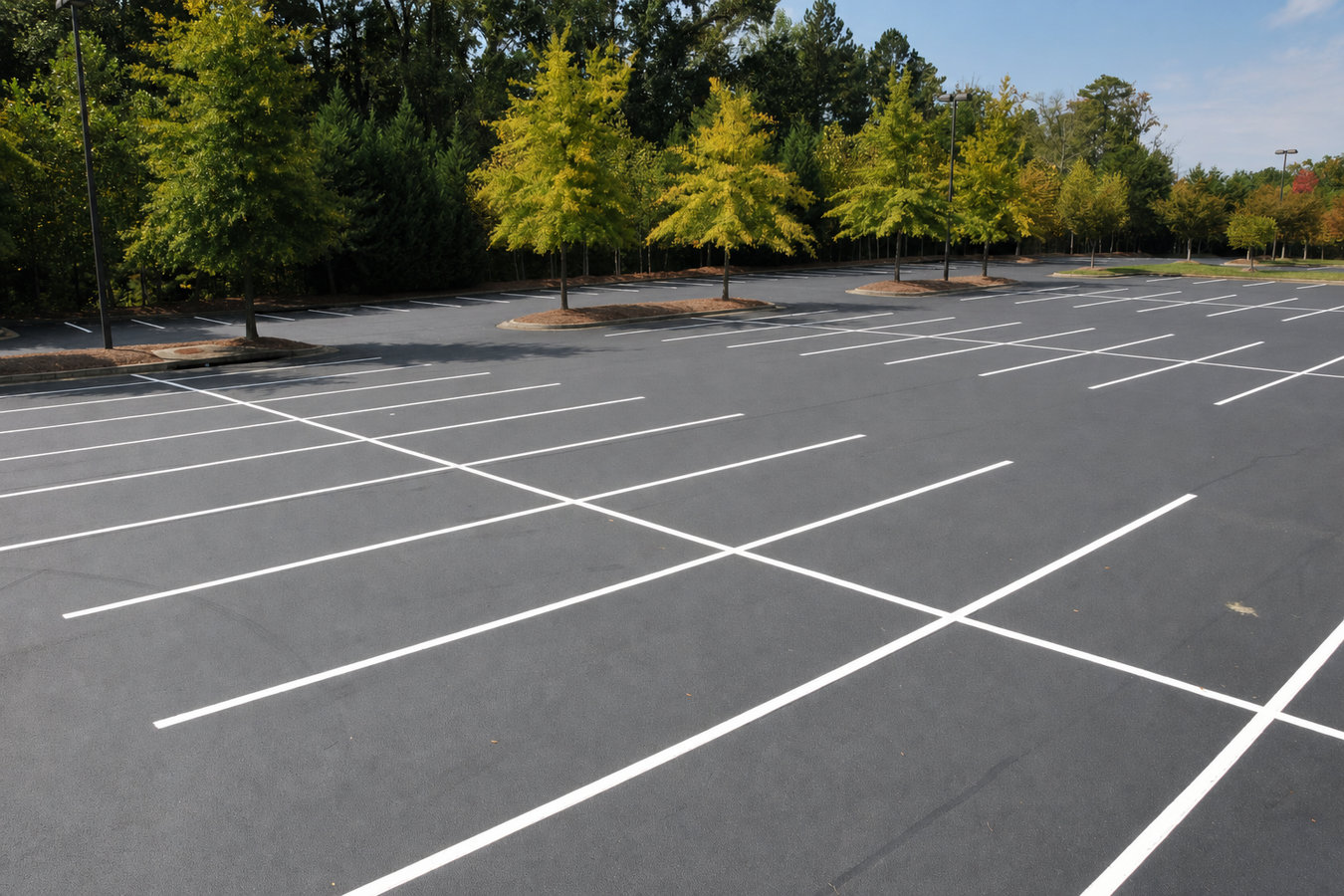
Santa Monica Asphalt Paving serves apartment buildings, commercial properties, and homeowners throughout West Hollywood with parking lot maintenance, sealcoating, driveway paving, and crack sealing - and we have been doing it since 2017, with crews that know how to work in tight spaces, navigate permit parking, and keep jobs moving on WeHo's busiest streets.
West Hollywood packs a large number of hotels, restaurants, and design showrooms into less than 2 square miles, and the parking lots serving those businesses see heavy, daily use that wears surfaces down fast. Southern California's year-round sun oxidizes unprotected asphalt quickly - a regular maintenance program that includes crack sealing, sealcoating, and restriping is the most cost-effective way to extend the life of a lot in this city. Learn more about our parking lot maintenance service.
WeHo's dense urban environment means asphalt surfaces sit in the sun all day with no shade from large trees or setbacks. UV oxidation is the primary reason surfaces turn gray and brittle here, and sealcoating every two to three years is the direct defense. Multi-family buildings along Santa Monica Boulevard and the side streets off the Strip benefit the most, since many of those driveways and small lots were last sealed years ago.
Older apartment buildings throughout West Hollywood - many built in the 1940s through 1970s - have driveways and shared lots with cracks that have widened over decades of ground movement and sun exposure. Sealing those cracks before the winter rain season arrives prevents water from reaching the base layer, where real damage starts. In West Hollywood's dense rental market, a well-maintained surface also matters to building management and tenants.
Private driveways in West Hollywood are typically short and narrow, often accessed through alleys shared by multiple buildings. Working in those tight spaces requires smaller equipment, careful staging, and an understanding of building access rules. We replace cracked and sunken driveways on both owner-occupied homes and multi-unit residential buildings throughout the city.
Potholes on West Hollywood properties almost always trace back to water getting into the base through an untreated crack, then softening the ground until the surface collapses under vehicle weight. The risk is real year-round here: winter rains deliver the water, and the seismically active Los Angeles basin can shift the soil underneath even between storms. We repair potholes properly - cutting back to stable material and compacting the patch - not just filling the surface.
West Hollywood's commercial properties - from boutique hotels on the Sunset Strip to design showrooms along Melrose Avenue - rely on clearly marked lots to move customers and guests safely. California's accessibility requirements for parking spaces apply to every commercial lot in the city, and faded lines are a compliance issue as well as a safety one. We restripe after every sealcoating job and as a standalone service when lines have faded beyond usefulness.
West Hollywood covers less than 2 square miles but holds roughly 35,000 residents - one of the highest population densities in California. The vast majority of those residents live in multi-family apartment buildings, many of them courtyard apartments and dingbat-style stucco buildings constructed between the 1930s and 1970s. That building stock means shared driveways, small lots accessed through alleys, and decades of deferred maintenance on surfaces that were paved alongside those buildings and have not been properly restored since. UV oxidation from Southern California's near-constant sun is the main force breaking down asphalt here - surfaces that go unsealed for several years become gray and brittle, then crack and crumble at the edges where vehicle tires repeatedly track across them.
The commercial side of West Hollywood adds a separate set of demands. Hotels along the Sunset Strip, restaurants throughout the city, and design showrooms on the Avenues of Art and Design all have lots that take concentrated, high-frequency vehicle traffic. Those commercial surfaces sit in the same intense sun as residential driveways but wear faster because of the load. West Hollywood also sits within the seismically active Los Angeles basin - ground movement that opens cracks in an asphalt surface is a real and recurring condition here, not a one-time event. A contractor familiar with how the city's soil and climate interact will build that into the base preparation and maintenance schedule rather than treating it as an afterthought.
Our crew works throughout West Hollywood regularly, and we understand the local conditions that affect asphalt paving work here. West Hollywood is an independent city - incorporated in 1984 - with its own building and public works departments, separate from the City of Los Angeles that surrounds it on all sides. Permits for work that touches a public sidewalk or driveway apron go through the City of West Hollywood directly, not through LA, and we pull from that department regularly. Parking on WeHo's side streets is heavily permit-restricted, so we plan staging and equipment access before we arrive rather than figuring it out on the day.
We work along all of West Hollywood's main corridors - Sunset Boulevard, Santa Monica Boulevard, and La Cienega - and throughout the compact residential neighborhoods tucked between them, including Norma Triangle, West Hollywood North, and West Hollywood West. Plummer Park on Santa Monica Boulevard is a useful landmark for the eastern residential neighborhoods where we often work. We also serve Beverly Hills to the west and Culver City further south, which gives our crews a thorough understanding of how property types and pavement conditions vary across this part of the Westside.
Call us or fill out the contact form and describe the surface - whether it is a shared apartment driveway, a small commercial lot, or a private residential space. We respond within one business day to confirm the details and schedule a free on-site visit at a time that works for you.
We visit the property, check the base condition, look at drainage, and assess any access challenges - narrow alleys, permit parking restrictions, or shared-wall situations common on WeHo's tight lots. You get a written estimate at no charge, and we will tell you honestly whether maintenance or full replacement is the better investment for your surface.
The crew cleans the surface thoroughly, fills cracks and soft spots, and makes any needed base corrections before laying and compacting fresh asphalt or applying sealcoat. Most West Hollywood driveways and small lots are completed in a single day. Commercial jobs or properties with significant base work may run into a second day.
Fresh asphalt or sealcoat needs 24 to 48 hours before vehicles use it. Once the surface has cured, we return to restripe any parking spaces or marked areas. We walk the finished job with you before closing out, and we are easy to reach if you have follow-up questions about maintenance timing.
We know WeHo's tight streets, permit restrictions, and older building stock. Call us or send a message and we will schedule a free on-site estimate within one business day - no pressure, no obligation.
(424) 268-2037West Hollywood is one of the smallest incorporated cities in California by land area - just under 2 square miles - sandwiched between Beverly Hills to the west and the City of Los Angeles on every other side. It incorporated in 1984, driven in part by tenant protection concerns, and has maintained strong rent stabilization laws since then. That history shaped a city where roughly four out of five residents rent rather than own, and where multi-unit apartment buildings dominate the housing stock. Many of those buildings - courtyard apartments, dingbat stucco structures, and older walk-ups - were built between the 1930s and 1970s. The famous Sunset Strip runs through the northern part of the city along Sunset Boulevard, and Santa Monica Boulevard serves as the main east-west commercial and residential artery through the center.
West Hollywood's economy leans heavily on entertainment, hospitality, and design. Hotels, restaurants, and music venues concentrate along the Strip, while the Avenues of Art and Design - Melrose Avenue, Robertson Boulevard, and Beverly Boulevard - draw design showrooms and galleries. These commercial corridors sit just a block or two from quiet residential streets in neighborhoods like Norma Triangle and West Hollywood West, creating the close mix of property types that defines this city. We also work frequently in Brentwood to the northwest, giving our crews context on how pavement needs and property types shift across the communities that surround West Hollywood.
Protect your pavement with a durable, weather-resistant sealcoat finish.
Learn MoreKeep your lot organized, safe, and compliant with crisp line markings.
Learn MoreSeal cracks early to prevent water intrusion and costly future repairs.
Learn MoreCommercial-grade paving solutions for businesses, HOAs, and institutions.
Learn MoreComprehensive maintenance programs that extend the life of your lot.
Learn MoreResurface worn pavement for a like-new appearance at a fraction of replacement cost.
Learn MorePrecise grading and excavation for a stable, properly draining foundation.
Learn MoreDurable concrete curbs and sidewalks that define and protect your property.
Learn MoreRemove old pavement layers cleanly to prepare for resurfacing or reconstruction.
Learn MoreSpeed bump installation that improves safety and traffic flow on your property.
Learn MoreWhether your property is off the Strip, along Santa Monica Boulevard, or on a quiet side street in Norma Triangle - call us and we will have a written estimate ready within one business day.